
Cedar Waxwings Arrive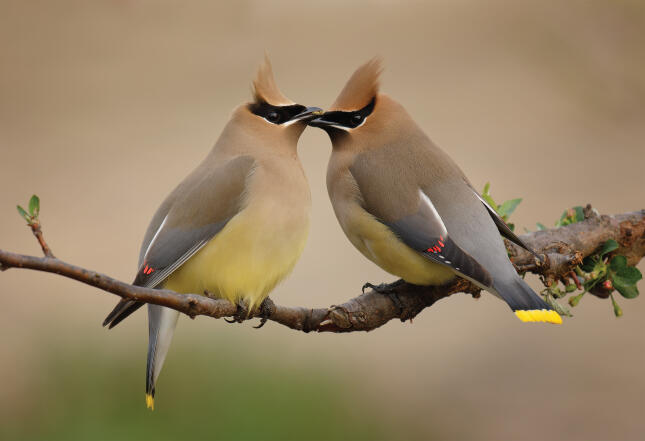
The cedar waxwing is silky, sleek songbird native to North America. In the fall these birds flock together to gorge themselves on fruits and berries. Waxwings inhabit a variety of different woodlands, preferring areas that have some form of water such as a stream or creek. You can find them in abundance around fruiting plants in parks, gardens, or even towns and suburbs that include berry trees in their landscaping.
Sparrows, Towhees, and Juncos
These ground-feeding birds start to arrive late in the month. Feeding white millet is a great way to attract them and is best used in tray feeder such as our EcoTough® Covered Ground Feeder. The roof protects the birds and food from the elements and the perforated metal bottom keeps the seed dry and lifts out for easy cleaning. Our EcoTough feeders are made of recycled milk jugs, won't crack, fade or rot and have a lifetime guarantee.
Roosting Boxes
Birds need a place to escape the elements. Installing roosting and nesting boxes in your backyard can give birds a warm, dry place to stay overnight. Shelter is also necessary for protection against natural predators, such as birds of prey and cats.
Bald Eagle Nesting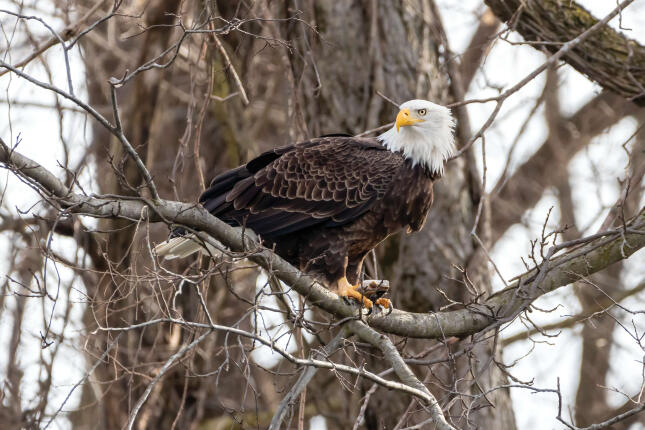
In the southern states, bald eagles begin nesting earlier than those further north. Nesting usually begins in October to avoid the intense heat of late spring and summer which could be detrimental to their eggs and their young.
Yellow-Bellied Sapsuckers Arrive
On your next nature walk keep an eye out for distinctive, neat rows of shallows holes in the bark of the trees around you. These are called sapwells and they're where yellow-bellied sapsuckers get their food from, using their specialized tongue to lap up the leaking sap and any trapped insects. Although these birds do not typically visit bird feeders, using a suet feeder may increase your chances of seeing them in your backyard.
Great Horned Owl Mating
These powerful predators begin their courtship in late fall, filling the air with their chorus of hoots and other vocalizations. Great horned owls mate for life but in October even established pairs begin their courtship displays, with the males preforming a "dance" for their mates by bowing and raising their wings.